The six types of tea
Chinese tea tradition sorts tea into six families by how the leaf is processed. Learn them and any tea menu, shop shelf or subscription box starts to make sense.
The six families below run roughly from the least processed to the most, and from the palest cup to the darkest. Choose one to jump straight to it:
Within each family there are hundreds of named teas, and the lines between families can blur. But the categories are a useful map, and most tea shops and subscriptions organise their range this way.
White tea
How it’s made: White tea is the least handled of all teas. Young buds and leaves are simply withered, often outdoors or in well-aired rooms, and then gently dried. There is no rolling and no deliberate oxidation, though a little happens naturally during the long wither.
What it tastes like: Delicate, sweet and soft, with notes of honey, melon, hay and fresh flowers. Aged white teas turn deeper, with dried fruit and woody notes.
Where it comes from: Traditionally Fujian province in China, especially around Fuding and Zhenghe. White teas are now also made in Yunnan, Darjeeling, Nepal, Sri Lanka and Kenya.
Teas to know:
- Silver Needle (Bai Hao Yin Zhen). Only unopened buds, covered in fine silvery down. The most prized white tea.
- White Peony (Bai Mu Dan). A bud with one or two leaves. Fuller and more fragrant than Silver Needle, and more affordable.
- Shou Mei. Later, larger leaves. Darker and fruitier, and often pressed into cakes to age.
Brewing tip: Use water well below boiling, around 75–85 °C, and be generous with the leaf because it is light and fluffy.
Green tea
How it’s made: Freshly picked leaves are heated quickly to stop oxidation, keeping them green. In China this is usually done by pan-firing in a hot wok or drum; in Japan the leaves are steamed. They are then rolled and shaped, and dried.
What it tastes like: Chinese pan-fired greens tend to be nutty, toasty and sweet, sometimes with a hint of chestnut. Japanese steamed greens are brighter and more vegetal, with grassy, marine and savoury umami notes.
Where it comes from: China and Japan above all, and also Korea, Vietnam and some Indian and Nepalese gardens.
Teas to know:
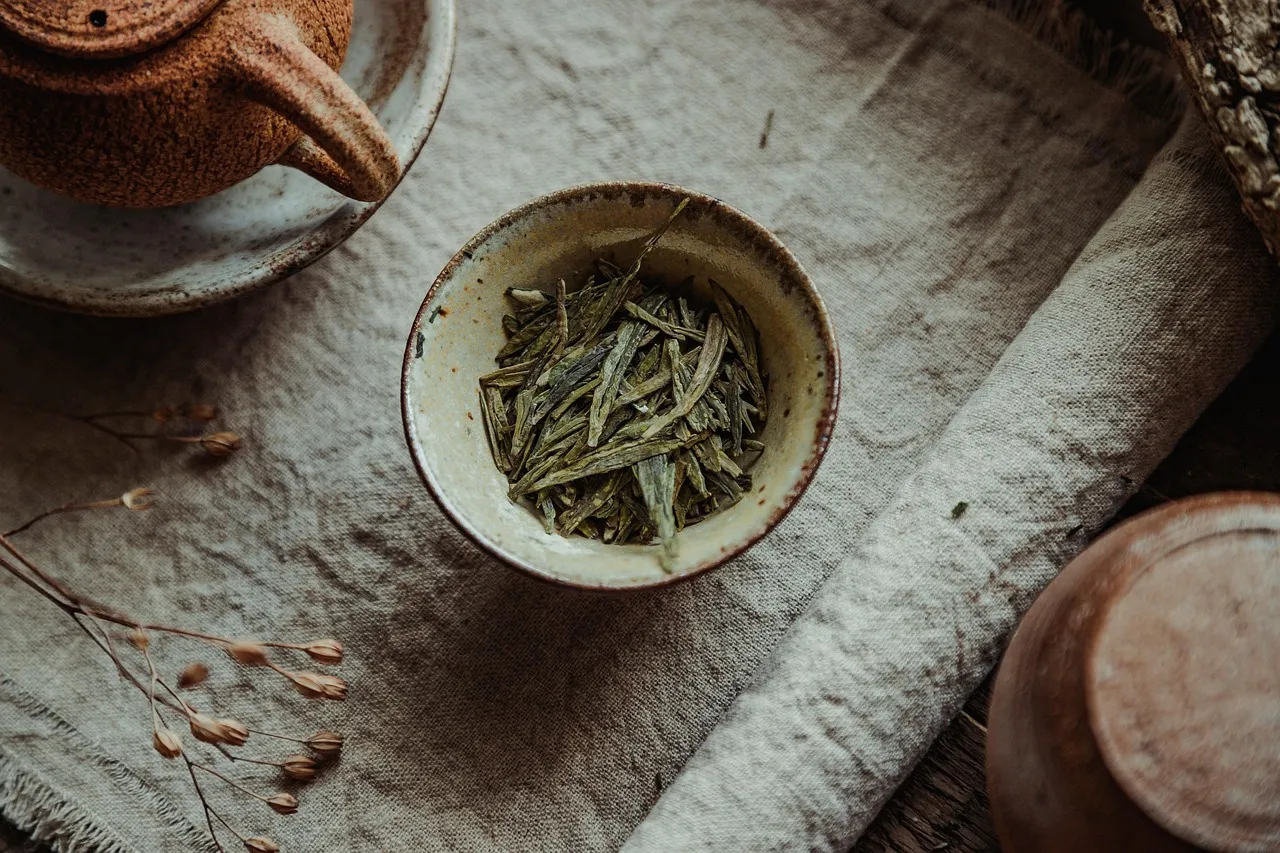
- Longjing (Dragon Well). Flat, jade leaves from Hangzhou with a sweet, chestnut-like flavour.
- Bi Luo Chun. Tiny, tightly curled leaves from around Lake Tai, fruity and floral.
- Sencha. Japan’s everyday green tea: steamed, needle-shaped and refreshingly grassy.
- Gyokuro. Shaded from the sun for weeks before picking, which boosts L-theanine and gives an intensely sweet, brothy taste.
- Genmaicha. Green tea mixed with toasted rice, nutty and comforting.
- Hojicha. Green tea roasted until brown, with low bitterness and a toasty, caramel flavour.
Matcha
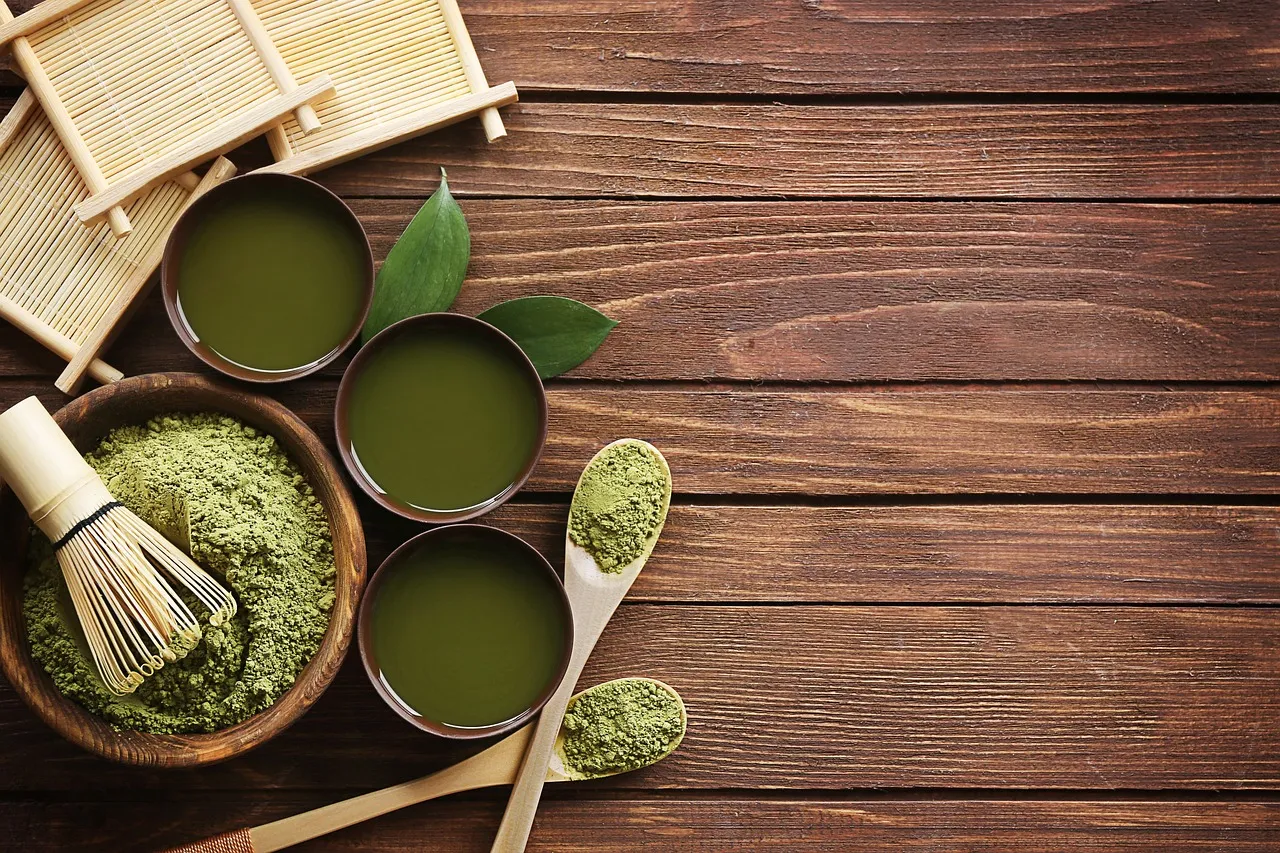
Matcha is a green tea in a class of its own. The leaves are shaded before harvest, like gyokuro, then steamed, dried and stripped of stems and veins. What remains, called tencha, is ground between stone mills into a fine, bright green powder. Because you whisk the powder into water and drink the whole leaf, matcha is rich and intense. Ceremonial grades are smooth and sweet enough to drink on their own; culinary grades are more bitter and made for lattes and baking.
Brewing tip: Green tea is easy to spoil with water that is too hot. Use 70–80 °C and short steeps of one to three minutes. Delicate Japanese greens like gyokuro can go as low as 50–60 °C.
Yellow tea
How it’s made: Yellow tea starts out like green tea, but after the leaves are heated they are wrapped in cloth or paper while still warm and damp and left to rest. This step, called “sealing yellow” (men huang), mellows the grassy edge and gives the leaves a slight yellow tint.
What it tastes like: Softer and rounder than green tea, with notes of corn, sweet grain, dried flowers and light fruit.
Where it comes from: A handful of places in China, such as Junshan Island in Hunan, Mount Meng in Sichuan and Huoshan in Anhui. Yellow tea is the rarest of the six families, and you will not find it in every shop.
Teas to know: Jun Shan Yin Zhen (Junshan Silver Needle), Meng Ding Huang Ya and Huoshan Huang Ya.
Brewing tip: Treat it like a delicate green tea, at around 75–80 °C.
Oolong tea
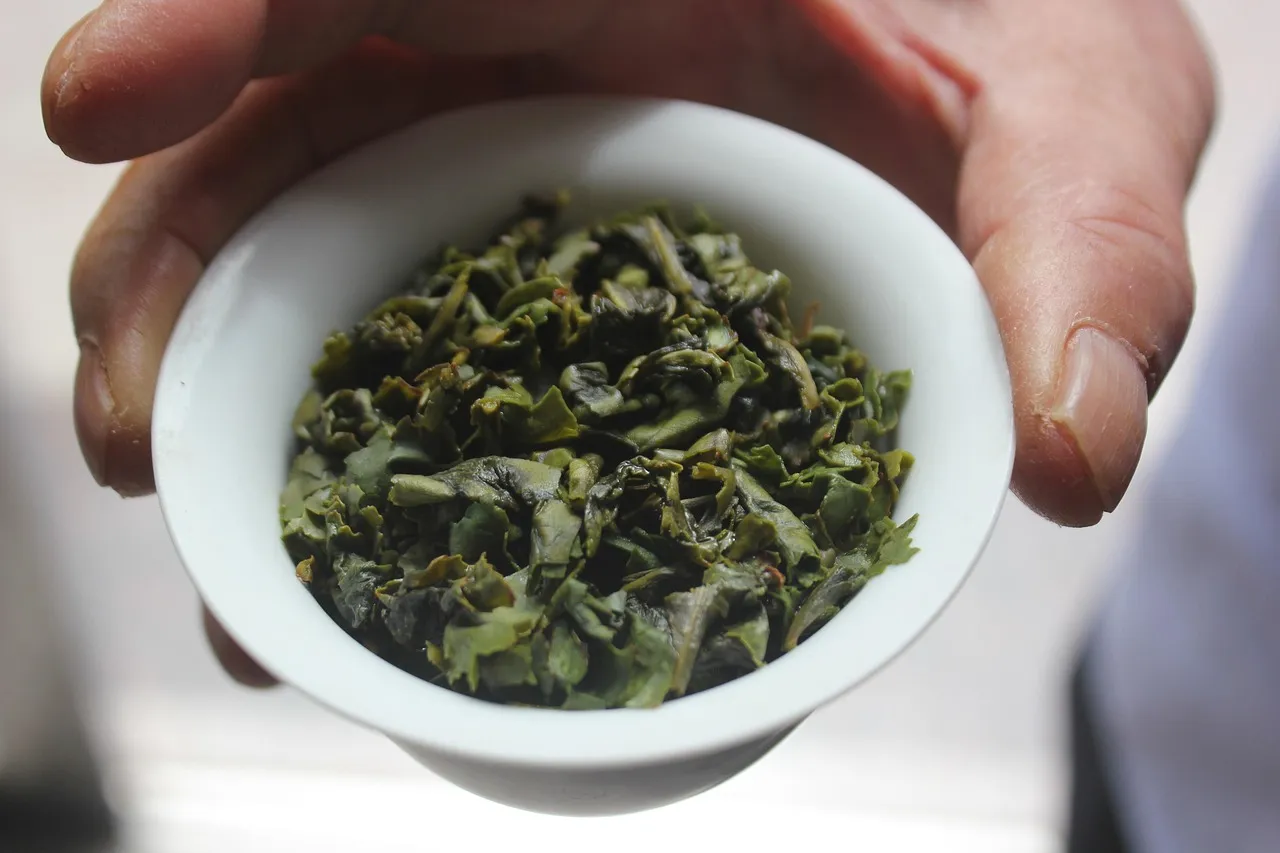
How it’s made: Oolong is the most varied family, and the most labour-intensive. The leaves are withered, then repeatedly tossed or shaken to bruise their edges and start oxidation, then left to rest. This cycle may be repeated many times. The tea master stops oxidation at just the right point, anywhere from lightly oxidised to nearly black, and the leaves are rolled into balls or long twists. Many oolongs are then roasted over charcoal or in ovens.
What it tastes like: Anything from creamy, floral and green (lilac, orchid, butter) to dark, roasted and fruity (peach, honey, toasted nuts, mineral). Good oolong is famous for a long, sweet aftertaste.
Where it comes from: Fujian and Guangdong in China, and Taiwan, whose high-mountain oolongs are some of the most sought-after teas in the world.
Teas to know:
- Tieguanyin (Iron Goddess of Mercy). From Anxi in Fujian. The modern style is green and intensely floral; traditional versions are roasted.
- Da Hong Pao (Big Red Robe). A “rock oolong” from the Wuyi Mountains, heavily roasted with a mineral, dark-fruit character.
- Dong Ding and Alishan. Taiwanese oolongs, from lightly oxidised and creamy to roasted and nutty.
- Oriental Beauty (Dongfang Meiren). A Taiwanese oolong made from leaves bitten by tiny insects called leafhoppers, which gives it a natural honey and muscatel sweetness.
- Dan Cong. From Phoenix Mountain in Guangdong, famous for imitating the scents of flowers and fruit, from orange blossom to honey orchid.
Brewing tip: Use hotter water, 85–95 °C, and try several short infusions from the same leaves. Oolong is the tea that shows off the gongfu brewing style best.
Black tea
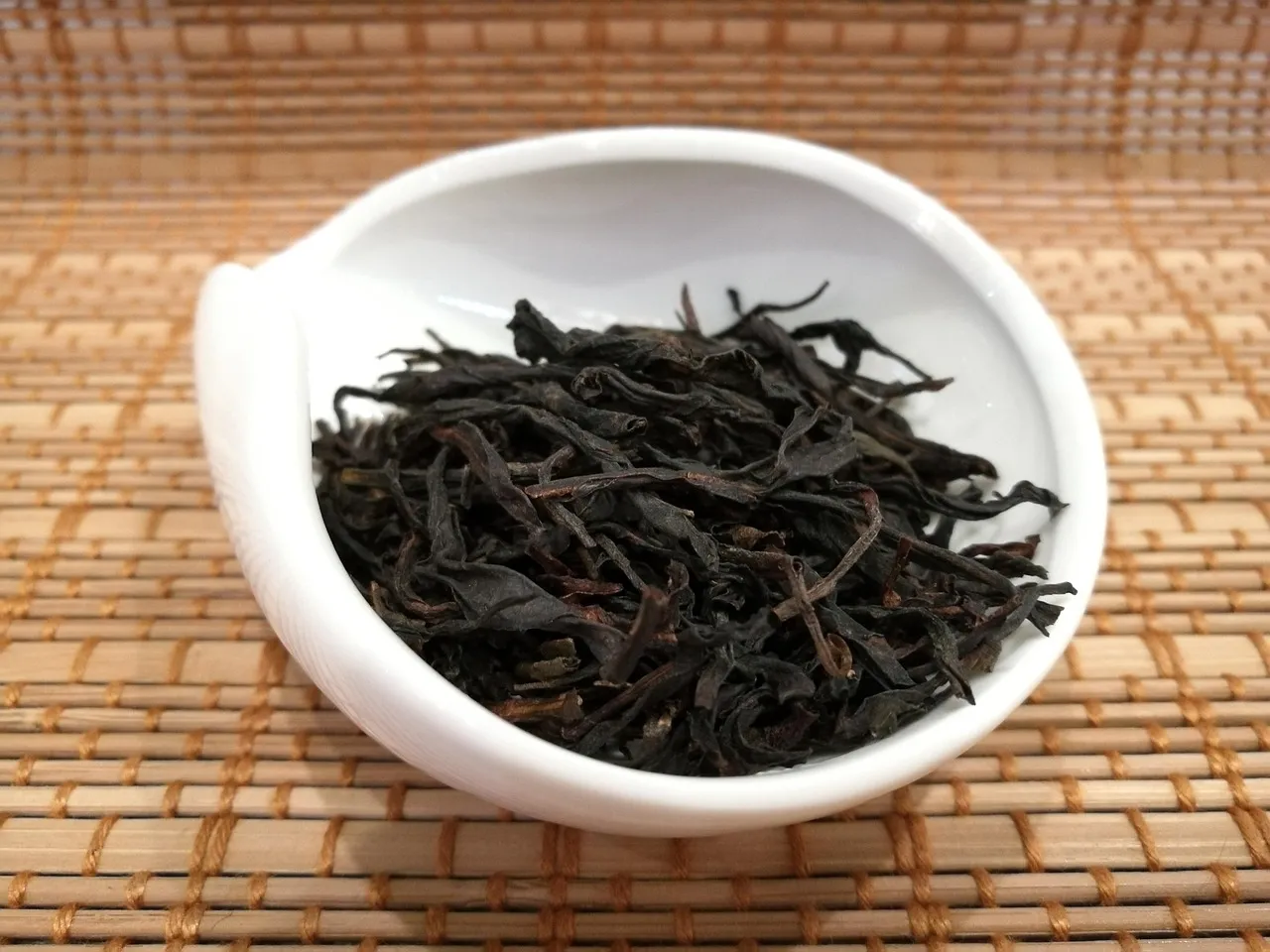
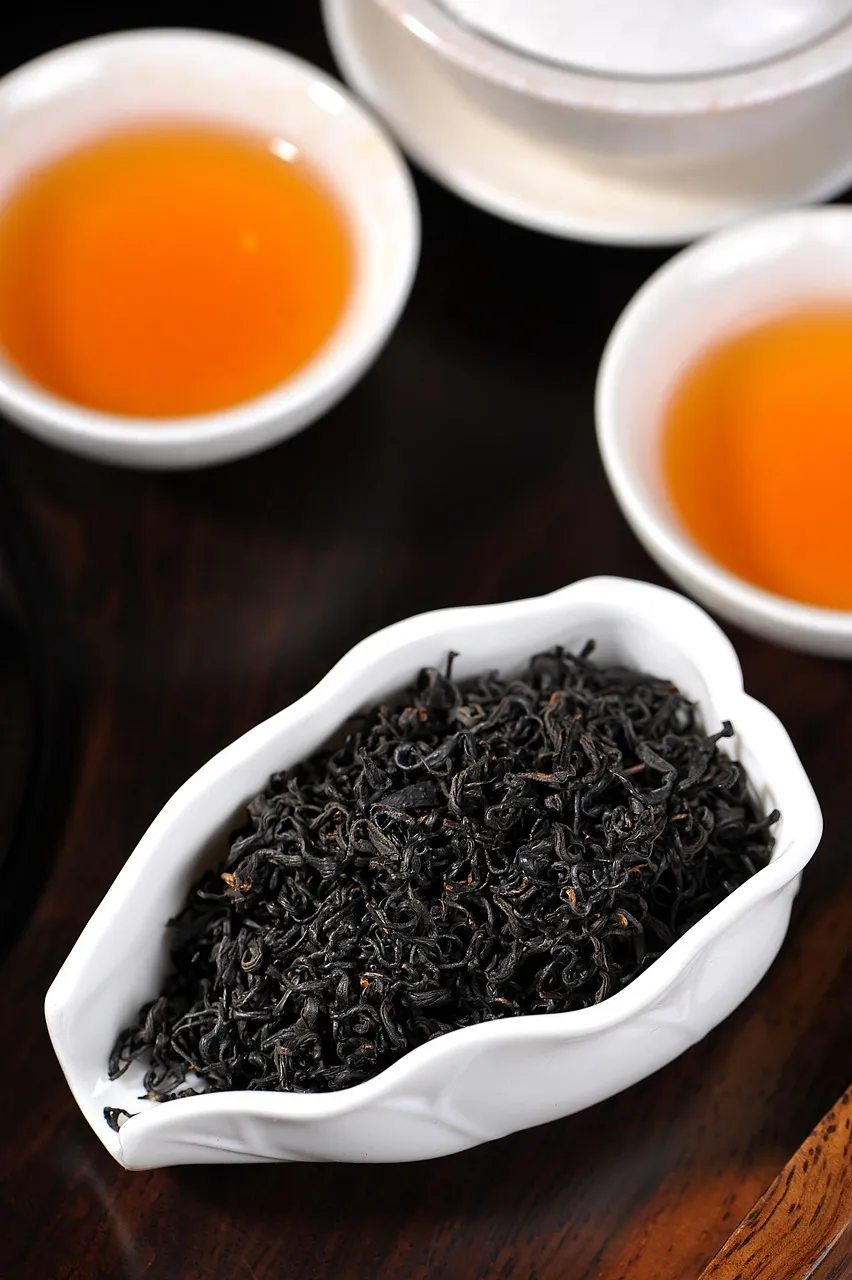
How it’s made: The leaves are withered, rolled and then left to oxidise completely, which turns them dark brown or black. Finally they are dried. In China black tea is called hong cha, “red tea”, after the colour of the brew rather than the leaf.
What it tastes like: Malty, brisk, bready and sometimes chocolatey, with notes of honey, dried fruit, stone fruit or smoke. Black tea’s firm structure is why it pairs so well with milk.
Where it comes from: Everywhere tea grows. The biggest producers are India, Sri Lanka, Kenya and China.
Teas to know:
- Assam. Strong, malty and full-bodied, from north-east India. The base of most breakfast blends.
- Darjeeling. Grown in the Himalayan foothills. Light and floral in the first flush, with the famous “muscatel” grape note in the second.
- Ceylon. From Sri Lanka’s highlands and lowlands. Bright, brisk and citrusy; excellent iced.
- Keemun (Qimen). From Anhui in China. Smooth, winey and a little smoky; a classic component of English Breakfast blends.
- Dian Hong (Yunnan black). Rich in golden buds, sweet and peppery, with notes of cocoa.
- Lapsang Souchong. From Fujian, dried over pinewood fires for a powerful smoky flavour.
- Kenyan black tea. Mostly CTC tea: dark, strong and fast-brewing, and the backbone of many tea bags.
Brewing tip: Use freshly boiled water, 90–100 °C, and steep for three to five minutes.
Dark tea and pu-erh
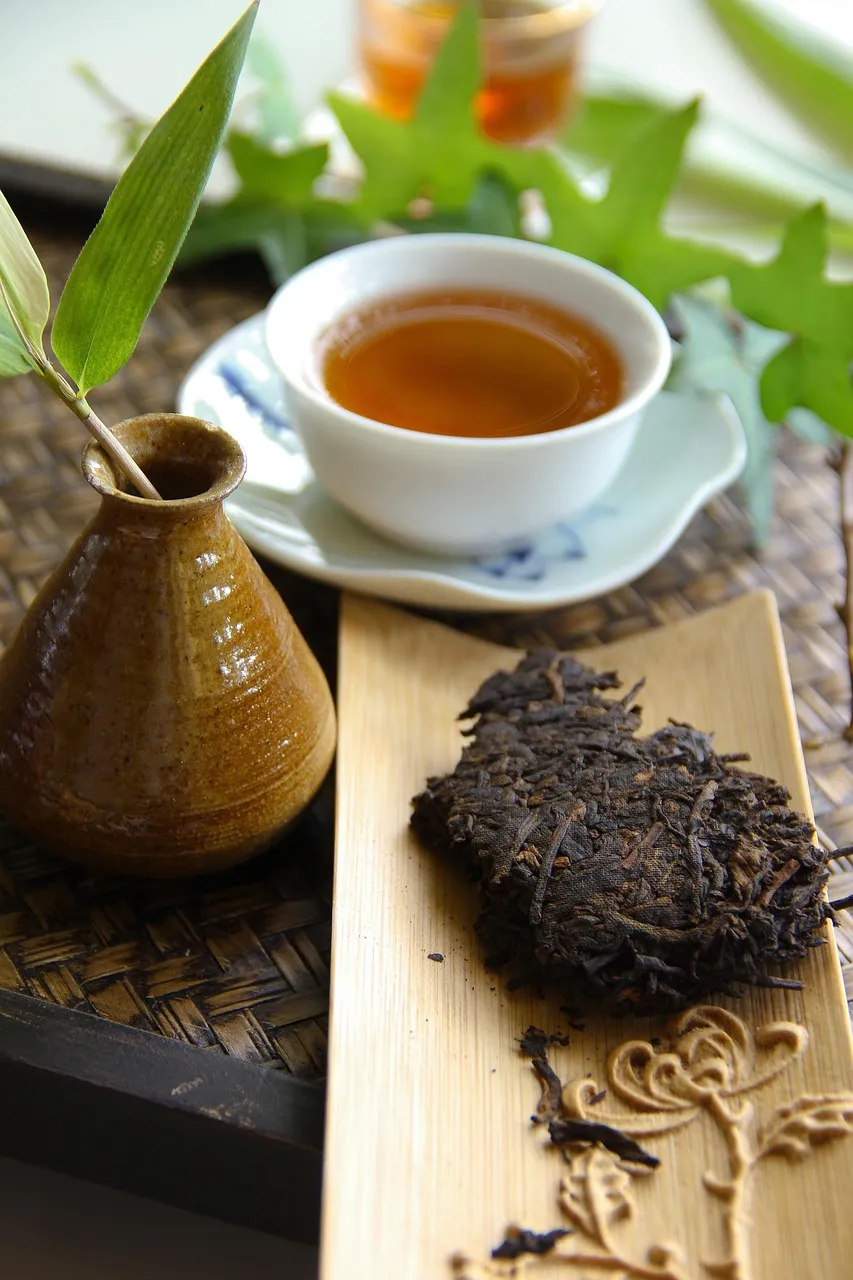
How it’s made: Dark teas, hei cha in Chinese, go through a stage of microbial fermentation, much like cheese, wine or sourdough. The best known is pu-erh from Yunnan. There are two styles:
- Sheng pu-erh (raw) is made like a sun-dried green tea, pressed into cakes and left to age slowly for years or decades. Young sheng is bright and bitter; well-aged sheng becomes deep, sweet and complex.
- Shou pu-erh (ripe) goes through an accelerated fermentation in warm, humid piles over several weeks, a method developed in Kunming in the early 1970s. It is dark, smooth and earthy right away.
What it tastes like: Earthy, woody and mellow, with notes of forest floor, leather, dates, cocoa and camphor. A good shou pu-erh is surprisingly sweet and very smooth.
Where it comes from: Yunnan for pu-erh. Other dark teas come from Hunan (Fu Zhuan, famous for its “golden flowers” of beneficial mould), Guangxi (Liu Bao) and Sichuan.
Brewing tip: Rinse the leaves first with a quick splash of boiling water, pour it away, then brew with water at 95–100 °C. Pu-erh can be steeped many times.
Blends, scented and flavoured teas
Many popular teas are not a single origin but a blend. English Breakfast usually combines Assam, Ceylon and Kenyan teas; Irish Breakfast leans harder on Assam. Earl Grey is black tea flavoured with oil of bergamot, a fragrant citrus, and Lady Grey adds orange and lemon peel.
Scented teas are made by layering tea with fresh flowers until it absorbs their scent. Jasmine tea, usually green tea scented with jasmine blossoms over several nights, is the classic. Masala chai, black tea simmered with milk, sugar and spices such as cardamom, ginger, cinnamon and cloves, is the everyday tea of India.
Herbal infusions
Finally, the drinks that are not tea at all. Herbal infusions, or tisanes, are made from flowers, leaves, roots, seeds or fruit of other plants: chamomile, peppermint, rooibos, hibiscus, lemongrass, ginger, rose hip, nettle and countless blends. Most are caffeine-free, which makes them a natural choice for the evening. Brew them with boiling water and give them longer, five to ten minutes, to bring out their flavour.
Common questions
What are the six types of tea?
White, green, yellow, oolong, black and dark tea, which includes pu-erh. They are sorted by how the leaf is processed, from barely handled white tea to fermented and aged dark tea.
What is the difference between green tea and black tea?
Green tea is heated soon after picking to stop oxidation, so it stays green and tastes fresh or grassy. Black tea is left to oxidise fully, which turns it dark and gives a malty, brisk flavour.
What is oolong tea?
Oolong is partly oxidised tea, somewhere between green and black. Lightly oxidised oolongs taste floral and creamy; darker, roasted ones taste of stone fruit, honey and toast.
What is pu-erh?
Pu-erh is a fermented dark tea from Yunnan in China, usually pressed into cakes. Sheng pu-erh ages slowly over years; shou pu-erh is fermented quickly and tastes earthy and smooth straight away.