A short history of tea
Tea began as a bitter medicine in the mountains of south-west China. Over two thousand years it became a Chinese art, a Japanese ceremony, a British habit and a global industry, and it passed through Gothenburg on the way.
Legend and origins
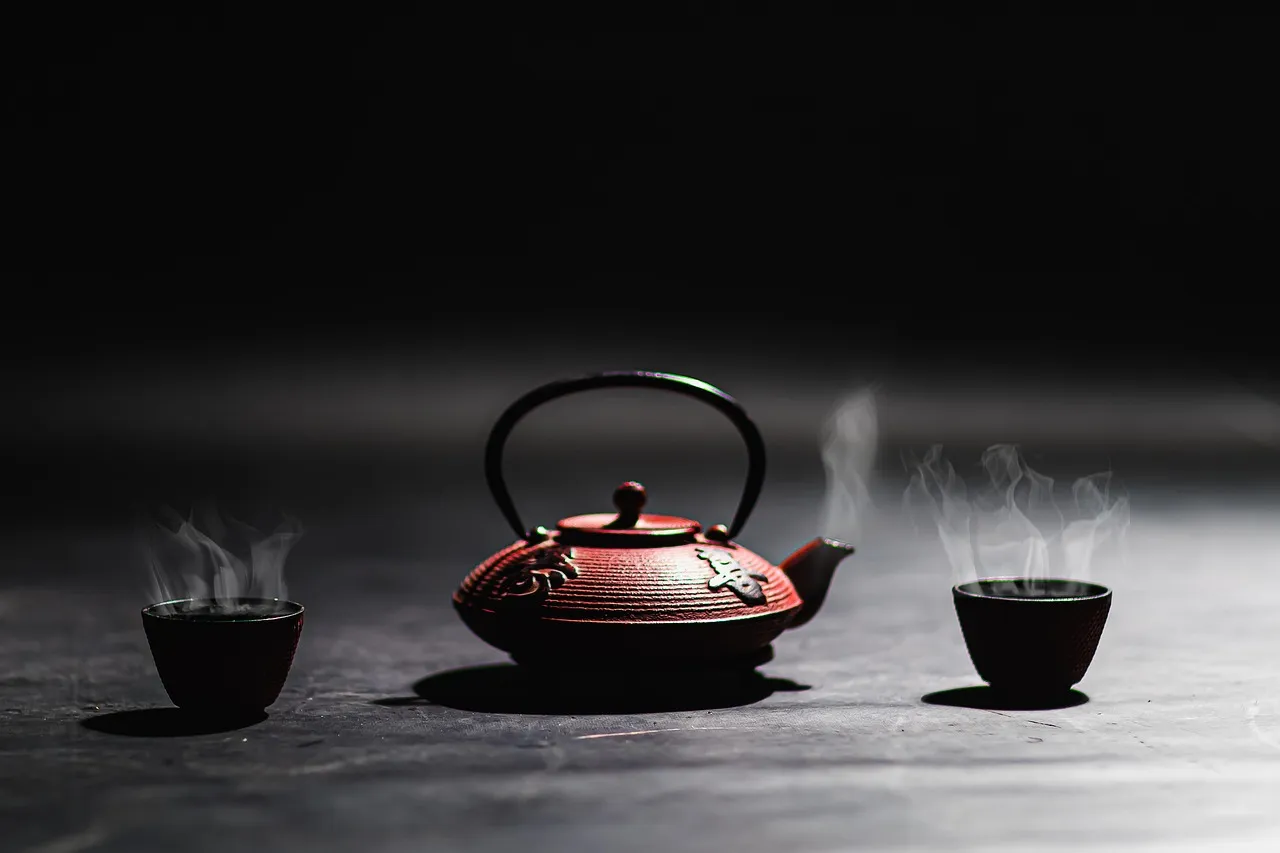
The best-known story of tea’s beginning is a legend. In it, the mythical emperor Shennong, the “Divine Farmer” said to have taught the Chinese agriculture and herbal medicine, was boiling water in the shade of a tree when a few leaves drifted into his pot. He drank the result, found it refreshing, and tea was born. Tradition dates this to 2737 BCE, but the story was written down much later, and Shennong is a figure of myth rather than history.
What we do know is that the tea plant is native to the region where south-west China meets Myanmar, Laos and north-east India. People there have chewed, cooked and brewed its leaves since long before written records. Hill peoples of Yunnan still keep ancient tea trees, some of them many centuries old.
The earliest physical evidence of tea drinking was identified in 2016. Scientists analysed plant remains buried with Emperor Jing of the Han dynasty, who died in 141 BCE, and found that they were tea. Written sources from the same era mention tea being bought and prepared, and by the early centuries CE it was a known, if regional, drink.
Tang dynasty: tea becomes an art
Tea’s first golden age came under the Tang dynasty (618–907). It spread from the south to the whole of China, became a daily drink at court and in monasteries, and was taxed by the state for the first time.
Around 760–780, the scholar Lu Yu wrote The Classic of Tea (Cha Jing), the first book devoted entirely to the subject. In three short volumes he described how tea grows, how it is picked and processed, the utensils needed, the best water to use (mountain springs over rivers, rivers over wells) and how to brew and serve it. Lu Yu treated tea as something close to a spiritual practice, and he is still honoured in China as the “Sage of Tea”.
Tang tea was quite unlike what most of us drink today. Leaves were steamed, pounded and pressed into cakes. To make a drink, you roasted a piece of cake, ground it to powder and boiled it in water, often with salt.
Song dynasty: whisked tea
Under the Song dynasty (960–1279), fashion shifted to powdered tea whisked into hot water in a bowl until frothy. Tea contests, where connoisseurs judged the colour and lasting quality of the foam, were popular among the elite. Dark glazed bowls were prized because they showed off the pale froth.
Japan and the way of tea
Buddhist monks carried tea from China to Japan as early as the 8th and 9th centuries, but it did not take root until 1191, when the monk Eisai returned from China with tea seeds and the Song method of whisking powdered tea. In 1211 he wrote Kissa Yōjōki, “Drinking Tea for Health”, recommending it to monks for staying alert during meditation.
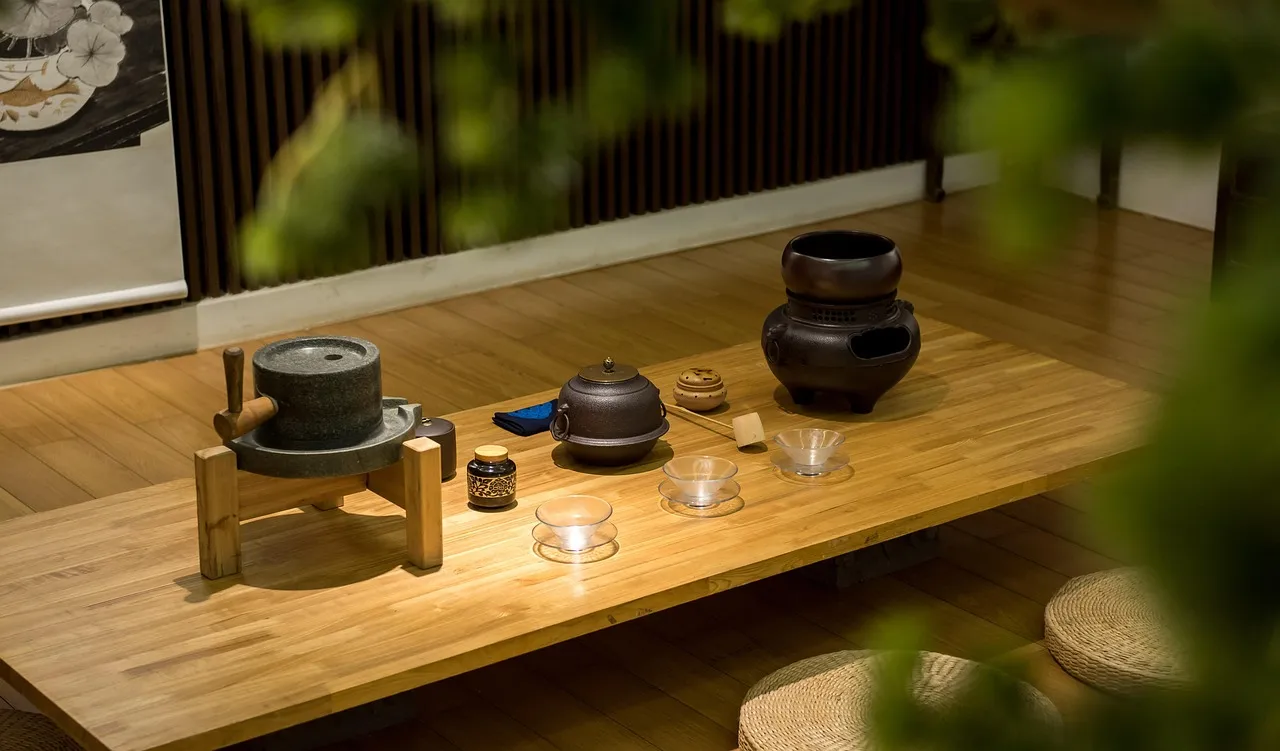
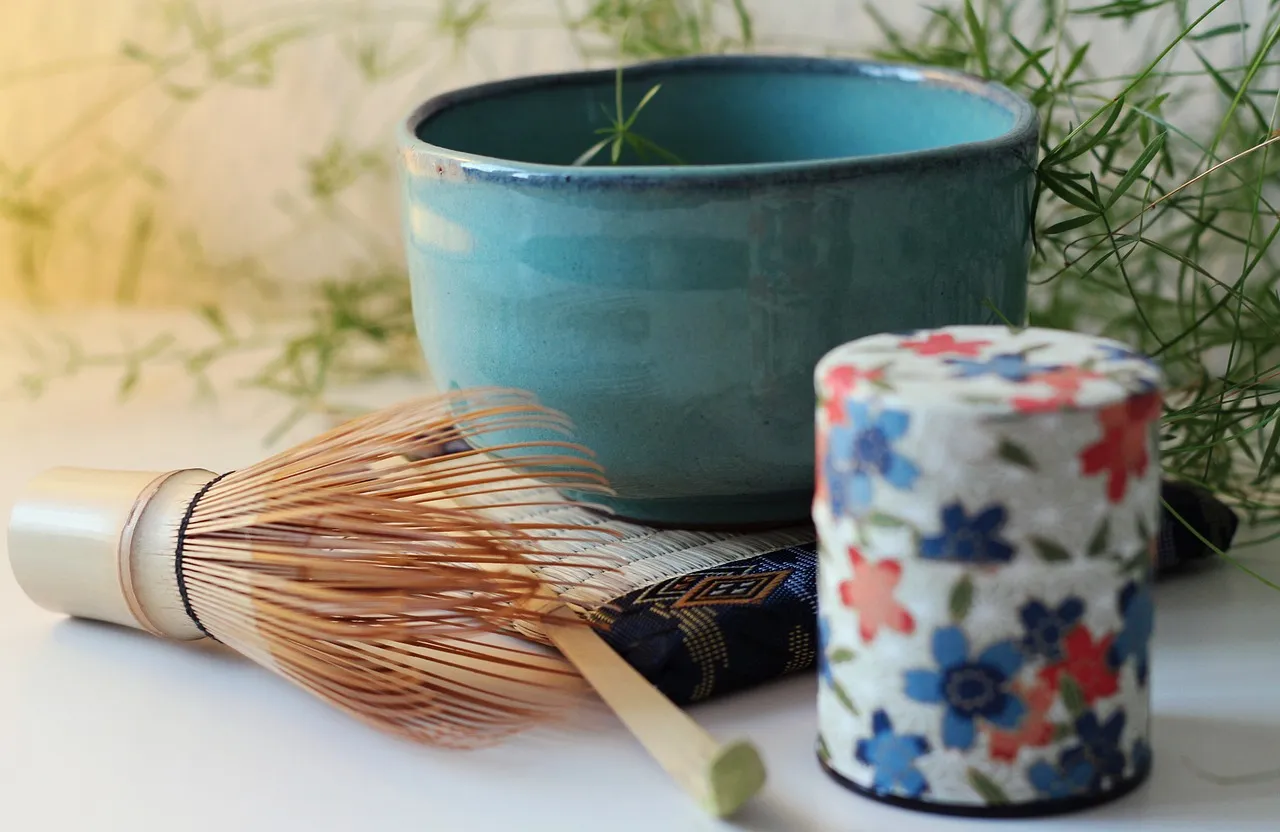
Over the following centuries, whisked green tea, which we now call matcha, became central to Zen Buddhist and samurai culture. In the 16th century the tea master Sen no Rikyū refined the tea ceremony, chanoyu, into the form still practised today: a quiet, carefully choreographed ritual in a small, simple tea room, built around the ideals of harmony, respect, purity and tranquillity.
Loose leaf green teas like sencha came later, in the 18th century, and the steaming method developed in Japan is why Japanese greens taste grassy and marine where Chinese greens, which are pan-fired, taste nutty and toasty.
Ming dynasty: loose leaf takes over
In 1391 the first Ming emperor, Hongwu, ordered that tribute tea be presented as loose leaves instead of pressed cakes, reportedly to spare farmers the laborious work of making them. Whatever the reason, the effect was lasting. Steeping whole leaves in hot water, the way most of the world now makes tea, became the Chinese norm.
With it came new kinds of tea ware, including the small unglazed clay teapots of Yixing, and new types of tea. Oolong and black tea were both developed in Fujian province in the late Ming and early Qing dynasties. Black tea, which kept its quality well on long journeys, would go on to conquer the West.
Tea travels west
Tea had been traded overland for centuries, along the Tea Horse Road into Tibet and on caravan routes to Central Asia and Russia. But Europe learned about it only in the 16th century, from Portuguese and Italian travellers. The Dutch brought the first commercial shipment to Europe around 1610.
In England, tea was first sold in London coffee houses in the 1650s. Its big break came with Catherine of Braganza, the Portuguese princess who married Charles II in 1662 and brought her taste for tea to the English court. Within a century, tea had gone from a luxury to a national habit, helped by falling prices and, for a long time, by widespread smuggling to avoid heavy taxes.
Sweden and the Swedish East India Company
Sweden played a real part in the European tea trade. The Swedish East India Company (Svenska Ostindiska Companiet), founded in Gothenburg in 1731, sent ships to Canton, now Guangzhou, for more than seventy years. Tea was the most important cargo by far. Much of it was sold on at auction to buyers from other countries, some of it to be smuggled into Britain.
The most famous of the company’s ships, the Götheborg, sank at the entrance to Gothenburg harbour in 1745 on its way home from China, loaded with tea, porcelain and silk. Some of the tea recovered from the wreck centuries later was reportedly still drinkable. A full-scale replica of the ship was built in Gothenburg and sailed to China in 2005–2007.
Politics, empire and plantations
Tea shaped world politics. In 1773, American colonists protesting against British taxation dumped chests of East India Company tea into Boston Harbor. The Boston Tea Party became one of the sparks of the American Revolution.
Britain’s appetite for Chinese tea created a huge trade deficit, which the East India Company tried to balance by selling Indian opium into China. The result was the Opium Wars of 1839–1842 and 1856–1860, a dark chapter in which tea was tangled up with drugs and war.
To break its dependence on China, Britain set out to grow tea in its own colonies. In 1823 the Scottish trader Robert Bruce was shown tea plants growing wild in Assam, and by the late 1830s Assam tea was being sold in London. In the late 1840s the botanist Robert Fortune travelled through China in disguise on behalf of the East India Company, smuggling out thousands of tea plants and seeds and recruiting skilled tea workers. Many of those plants went to the Himalayan foothills around Darjeeling.
In Ceylon, now Sri Lanka, coffee was long the main crop. In 1867 James Taylor established the island’s first commercial tea estate at Loolecondera, and when a leaf disease known as coffee rust ruined the coffee plantations in the 1870s, planters switched to tea. Sri Lanka still sells its tea as Ceylon tea today.
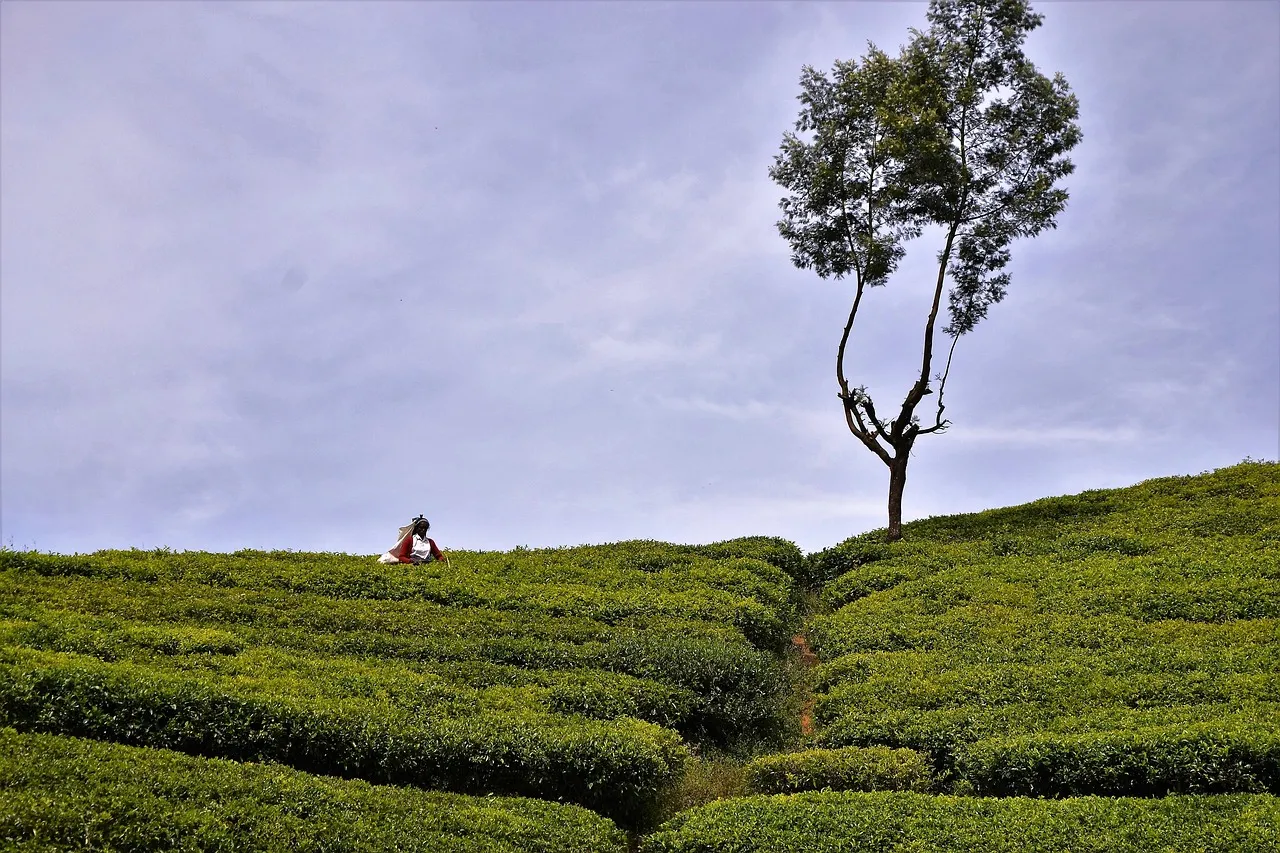
The plantation system brought tea to the masses, but it was built on hard and often exploitative labour, much of it by workers brought from southern India. Fair wages and conditions on tea estates are still a live issue, which is one reason many tea buyers look for direct trade, Fairtrade or Rainforest Alliance sourcing.
Afternoon tea and the modern cup
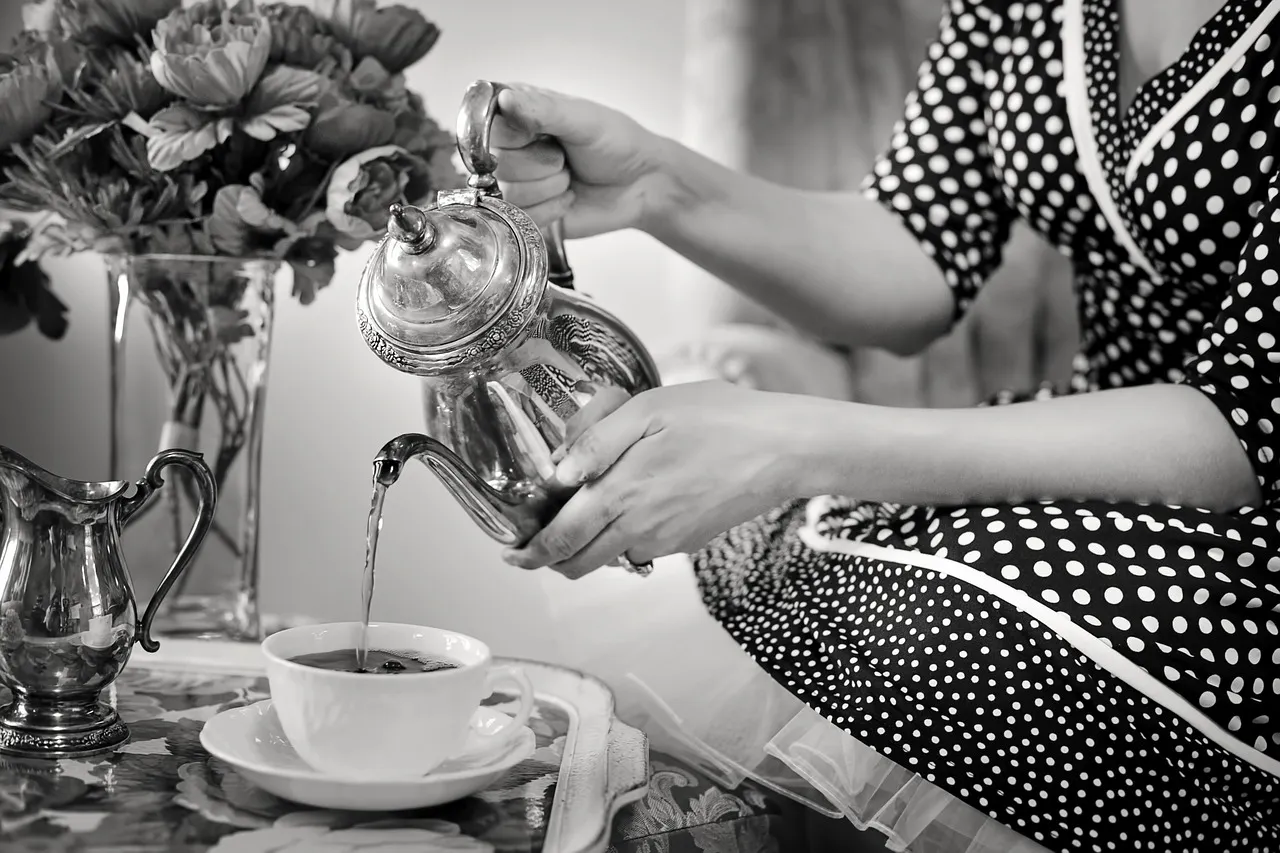
In the 1840s, Anna, Duchess of Bedford, is said to have started taking tea with bread, butter and cake in the late afternoon to bridge the long gap between lunch and a late dinner. Afternoon tea became a fashionable social ritual and remains a British institution.
The 20th century industrialised tea. The tea bag, often credited to a New York merchant named Thomas Sullivan who sent samples in small silk bags around 1908, made tea faster and tidier to brew. The CTC method, developed in Assam in the 1930s, produced strong, fast-brewing tea for bags. Iced tea, popularised in the United States, became a summer staple, and later bubble tea from Taiwan spread across the world.
At the same time, a counter-movement grew. From the late 20th century onwards, speciality tea shops brought single-origin, whole-leaf teas from China, Japan, Taiwan and India back to Western tea drinkers. Tea subscriptions are part of this story: an easy way to discover teas you would never find in a supermarket, delivered straight from people who source them carefully.
In the next chapter we take a closer look at the six families of tea those shops sell.
Common questions
Where does tea come from?
The tea plant is native to the region where south-west China meets Myanmar, Laos and north-east India. The oldest physical evidence of tea drinking was found in the tomb of Emperor Jing of Han, who died in 141 BCE.
When did tea come to Europe?
Dutch traders brought the first commercial shipment of tea to Europe around 1610. Tea became fashionable in England after Catherine of Braganza married Charles II in 1662.
What was Sweden's role in the tea trade?
The Swedish East India Company, founded in Gothenburg in 1731, traded with Canton for more than seventy years, and tea was its most important cargo. Its ship the Götheborg sank near Gothenburg in 1745 loaded with tea and porcelain.
Who invented the tea bag?
The tea bag is often credited to Thomas Sullivan, a New York tea merchant who sent samples in small silk bags around 1908, although the story is disputed.