How to taste tea
Tasting tea is not a talent reserved for experts. It is a habit of paying attention, and a few simple techniques will help you notice far more in every cup.
Why taste tea deliberately?
Most of the time, we drink tea without thinking about it. That is fine. But when you taste deliberately, with the same attention you might give a good wine, you begin to notice how two teas of the same type can differ completely, how a tea changes over several infusions, and what you actually like. That makes you a better buyer, and it makes every cup more enjoyable.
How professional tasters work
Tea buyers and blenders taste hundreds of teas a day. To compare them fairly, they brew every sample in exactly the same way. The standard, ISO 3103, specifies 2 grams of tea to 100 ml of boiling water in a small lidded porcelain pot, steeped for six minutes, then poured into a bowl. That is much stronger than you would normally drink, on purpose: it exaggerates both the good qualities and the faults.
The tasters then slurp the tea noisily from a spoon, spraying it across the whole mouth and drawing air over it, before spitting it out. Slurping cools the tea, spreads it over every part of the tongue and carries aroma to the back of the nose, where most of what we call flavour is actually detected.
You do not need to spit, or brew as strong as the professionals, but you can borrow their method.
Tasting in five steps
1. Look at the dry leaf
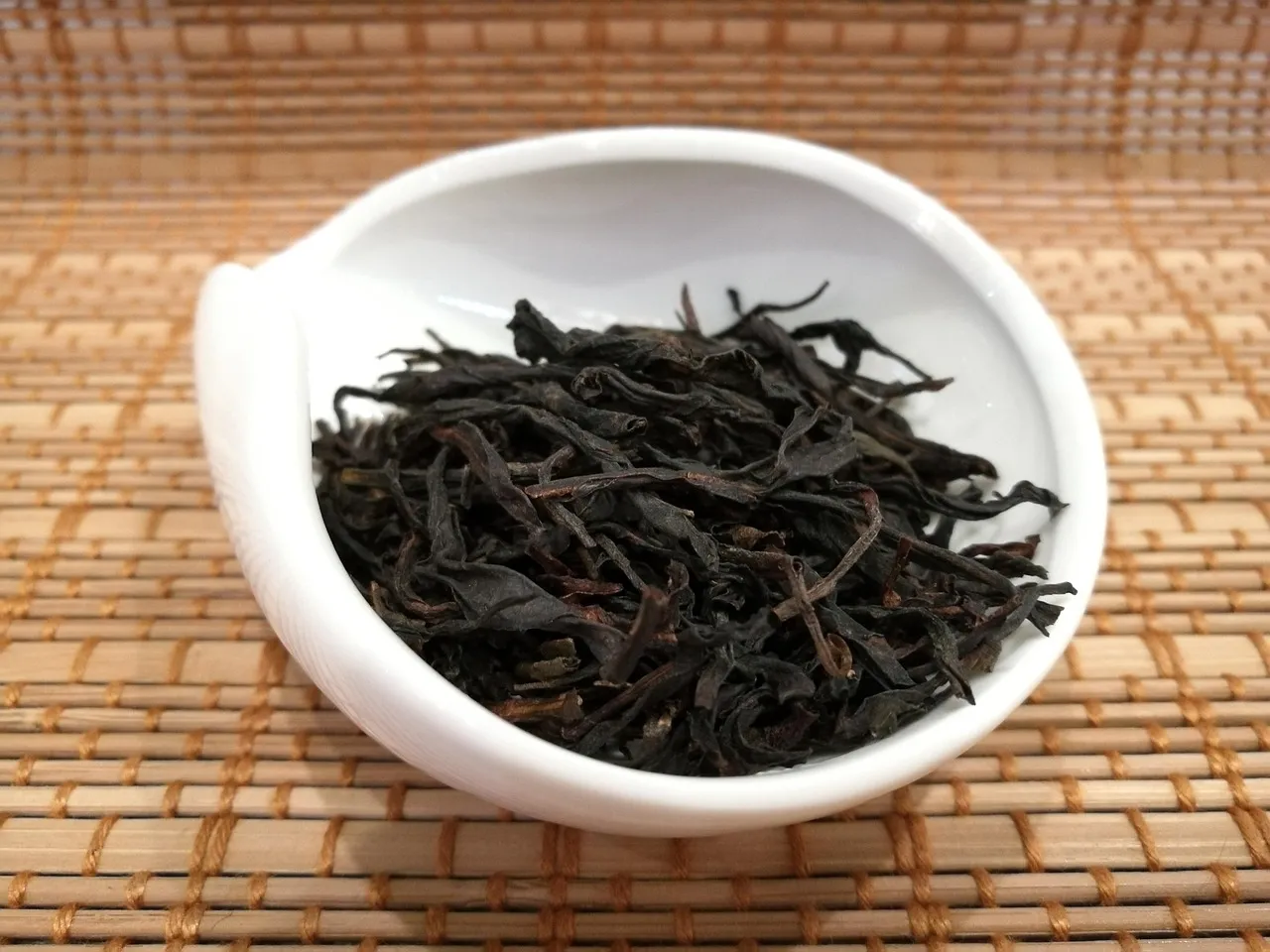
Before brewing, look at the leaves. Are they whole or broken? Even in size and colour, or mixed? Is there a lot of bud, visible as silver or golden tips? Are there stems and dust? Good whole-leaf tea usually looks consistent and cared for.
2. Smell the dry and warm leaf
Smell the dry leaf, then put it into a warmed, empty pot or gaiwan, put the lid on for a few seconds, and smell again. Warmth releases aroma. You might notice toast, flowers, hay, fruit, smoke or cocoa before a drop of water is added.
3. Look at the brewed tea
Pour the tea into a white cup and look at the colour: pale gold, jade green, amber, copper, deep red, nearly black. Look at the clarity. A bright, clear liquor usually means a clean, well-made tea; cloudiness can mean fine particles or, in Japanese green teas, is completely normal.
4. Smell the wet leaf and the cup
The wet leaves in the pot often smell stronger than the tea itself. Lift the lid and breathe in. Then smell the tea in the cup, and, when it is finished, the empty cup: the aroma that lingers there can be the loveliest of all.
5. Taste, and keep tasting
Take a small sip and slurp it, drawing in air. Let it move across your whole mouth. Then swallow and breathe out through your nose. Pay attention to three things:
- Taste: the basic sensations on your tongue. Sweet, bitter, sour, salty and umami, the savoury taste common in Japanese green tea.
- Flavour and aroma: what you smell through the back of your nose as you drink. This is where the flowers, fruit, toast and honey come in.
- Mouthfeel: the texture. Is the tea thin and watery, or smooth and full, almost creamy? Is it astringent, leaving your mouth dry and puckered, like strong black tea or red wine?
Then notice the finish. How long does the flavour last after you swallow? Does it change? Many fine Chinese teas are admired for hui gan, a sweetness that returns in the throat some seconds after a bitter or astringent sip.
Words for what you taste
Finding words for flavours is the hardest part, and the most useful. You do not need expert vocabulary, just your own memory of smells and tastes. Some common groups:
| Family | Examples |
|---|---|
| Vegetal | fresh-cut grass, spinach, peas, seaweed, artichoke, hay |
| Floral | jasmine, orchid, lilac, rose, orange blossom, honeysuckle |
| Fruity | peach, apricot, melon, citrus, grape (muscatel), dried fig, raisin |
| Sweet | honey, caramel, brown sugar, malt, vanilla |
| Nutty and roasted | chestnut, almond, toasted bread, roasted grain, coffee |
| Earthy and woody | forest floor, mushroom, wet stone, leather, cedar, tobacco |
| Spicy and smoky | pepper, cinnamon, clove, pine smoke, campfire |
It helps to taste two teas side by side. Differences that are invisible in a single cup become obvious in comparison. A Darjeeling next to an Assam, or a Chinese green next to a Japanese one, teaches you more than either would alone.
Common faults
Tasting also helps you tell a poor tea, or a poorly brewed one, from a good one.
- Harsh bitterness usually means water that is too hot or a steep that is too long. Try again more gently before blaming the tea.
- Flat, dull or papery flavour usually means old or badly stored tea.
- Musty or damp smells mean the tea has been stored somewhere humid. (The earthy notes of ripe pu-erh are different: clean and sweet rather than mouldy.)
- Smoky or burnt notes in a tea that should not be smoky can mean over-roasting or careless drying.
- Excessive astringency that dries your mouth out is a sign of over-steeping or of a lower-grade tea.
Pairing tea with food
Tea pairs with food as well as wine does, and often better, since it is gentler on the palate.
- Green tea with light dishes: sushi, steamed fish, salads, vegetables.
- White tea with fruit, mild cheese and delicate pastries.
- Oolong with roast chicken, duck, dim sum, seafood and nutty desserts. Roasted oolongs love dark chocolate.
- Black tea with breakfast, sandwiches, scones, cinnamon buns and fruit cake. Smoky Lapsang Souchong is a great match for smoked salmon and cheese.
- Pu-erh with rich, fatty food. In southern China it is the classic tea for dim sum because it is said to cut through the richness.
Tasting at home with a subscription
A subscription is a ready-made tasting course. Each delivery gives you a few new teas to compare, often with tasting notes, background on the producer and brewing guidelines. Try this: brew two of the teas side by side, taste them using the steps above, and write down what you notice. Then compare with the seller’s notes. Over a few months you will build up a real sense of what you enjoy, and you can steer your subscription towards it.
Common questions
How do professionals taste tea?
They brew every sample the same way, following the ISO 3103 standard of 2 grams of tea in 100 ml of boiling water for six minutes, then slurp it from a spoon to spread it across the mouth and carry the aroma to the nose.
Why do tea tasters slurp?
Slurping cools the tea, spreads it across the whole tongue and pulls air over it, carrying aroma to the back of the nose where most flavour is detected.
What does astringent mean in tea?
Astringency is the dry, puckering feeling on your tongue, similar to strong red wine. It comes from polyphenols in the tea and grows with longer steeping or hotter water.