How to brew tea
Most bitter, disappointing cups of tea are brewing mistakes, not bad tea. Get four things right, leaf, water, temperature and time, and even an everyday tea will taste better.
The four variables
Every cup of tea is the result of four choices:
- How much leaf you use.
- What water you use.
- How hot the water is.
- How long you let it steep.
Change any one of them and the cup changes. More leaf or a longer steep gives a stronger, more astringent cup. Hotter water pulls out more of everything, including bitterness. There is no single right answer, but there are good starting points, and once you know them you can adjust to taste.
Quick reference
These are starting points for Western-style brewing in a mug or teapot, using about 2–3 grams of leaf per 200 ml of water. A level teaspoon holds roughly 2–3 grams of most rolled or broken teas; for large, fluffy leaves such as white tea, use a heaped tablespoon.
| Tea | Water temperature | Steeping time | Re-steeps |
|---|---|---|---|
| White | 75–85 °C | 3–5 min | 2–3 |
| Green (Chinese) | 75–80 °C | 2–3 min | 2–3 |
| Green (Japanese) | 60–75 °C | 1–2 min | 2–3 |
| Yellow | 75–80 °C | 2–3 min | 2–3 |
| Oolong | 85–95 °C | 3–5 min | 3–5 |
| Black | 90–100 °C | 3–5 min | 1–2 |
| Pu-erh and dark | 95–100 °C | 2–4 min | 5 or more |
| Herbal and rooibos | 100 °C | 5–10 min | 1 |
If a tea tastes weak, add more leaf before you lengthen the steep; a longer steep tends to add bitterness faster than flavour. If it tastes bitter, lower the temperature or shorten the time.
Water: the other ingredient
A cup of tea is more than 99 per cent water, so the water matters. A few rules:
- Use fresh, cold water. Water that has been boiled several times, or has stood in the kettle, has lost oxygen and can taste flat.
- Soft is usually better than hard. Very hard water, full of calcium and magnesium, dulls flavour and can leave a film on the surface of your tea. Much of Sweden and Finland has fairly soft tap water, which is good news for tea drinkers, but it varies from place to place.
- Avoid strongly chlorinated water. If your tap water smells of chlorine, a simple jug filter helps.
- Try it. If you want to see how much water matters, brew the same tea with tap water and with a low-mineral bottled water side by side.
Choosing your tools
You do not need much. But the right tool makes a difference, mainly by giving the leaves room to open.
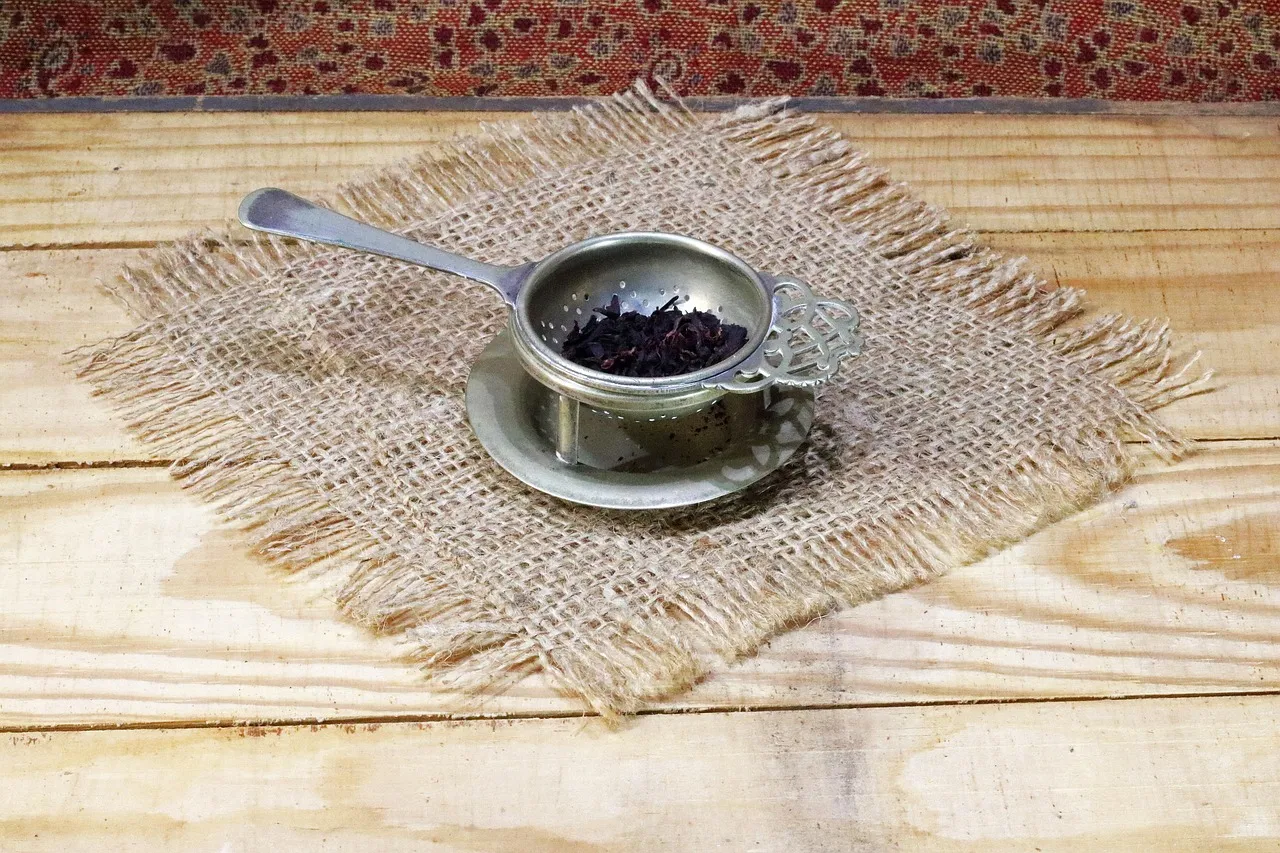
- A teapot with a large basket infuser is the most versatile option. Choose one where the basket is wide and deep, so that the leaves can expand fully, and that lets you lift the leaves out when the time is up.
- A mug infuser works well for one person. Again, bigger is better; small tea balls cramp whole leaves.
- A gaiwan is a lidded cup used in China for brewing and tasting. It is cheap, easy to clean and ideal for oolong and pu-erh.
- A small clay teapot, such as a Yixing or Japanese kyusu, is lovely for regular brewing of one type of tea.
- A glass teapot or tall glass lets you watch green, white and flowering teas unfurl.
- Scales and a timer are the tools serious tea drinkers use most. A kitchen scale that weighs to a tenth of a gram costs little and removes the guesswork.
Western style and gongfu style
There are two broad ways to brew loose leaf tea.
Western style uses a small amount of leaf, a lot of water and a long steep: say 3 grams in 300 ml for three to four minutes. It is simple and forgiving, and it is how most teapots are designed to be used.
Gongfu style, from the Chinese gongfu cha, “tea with skill”, uses a lot of leaf, very little water and many short steeps: perhaps 5–7 grams in a 100 ml gaiwan or small pot, with infusions of 10 to 30 seconds. Each infusion is poured off completely into a pitcher and then into small cups. Over six, eight or ten infusions the tea changes, opening up, peaking and slowly fading. It is the best way to explore oolong and pu-erh, and it turns tea drinking into an occasion.
A simple gongfu routine
- Warm everything. Pour hot water through the gaiwan or pot, pitcher and cups, then discard it.
- Add the leaf. Around 5 grams for a 100 ml vessel. Lift the lid and smell the warm dry leaf.
- Rinse, if you like. For rolled oolongs and pu-erh, a quick splash of hot water, poured off at once, helps the leaves open.
- First infusion. Fill with water and pour off after 10–20 seconds.
- Keep going. Add a few seconds to each infusion. When the flavour starts to fade, steep for longer.
Brewing matcha
Matcha is not steeped but whisked.
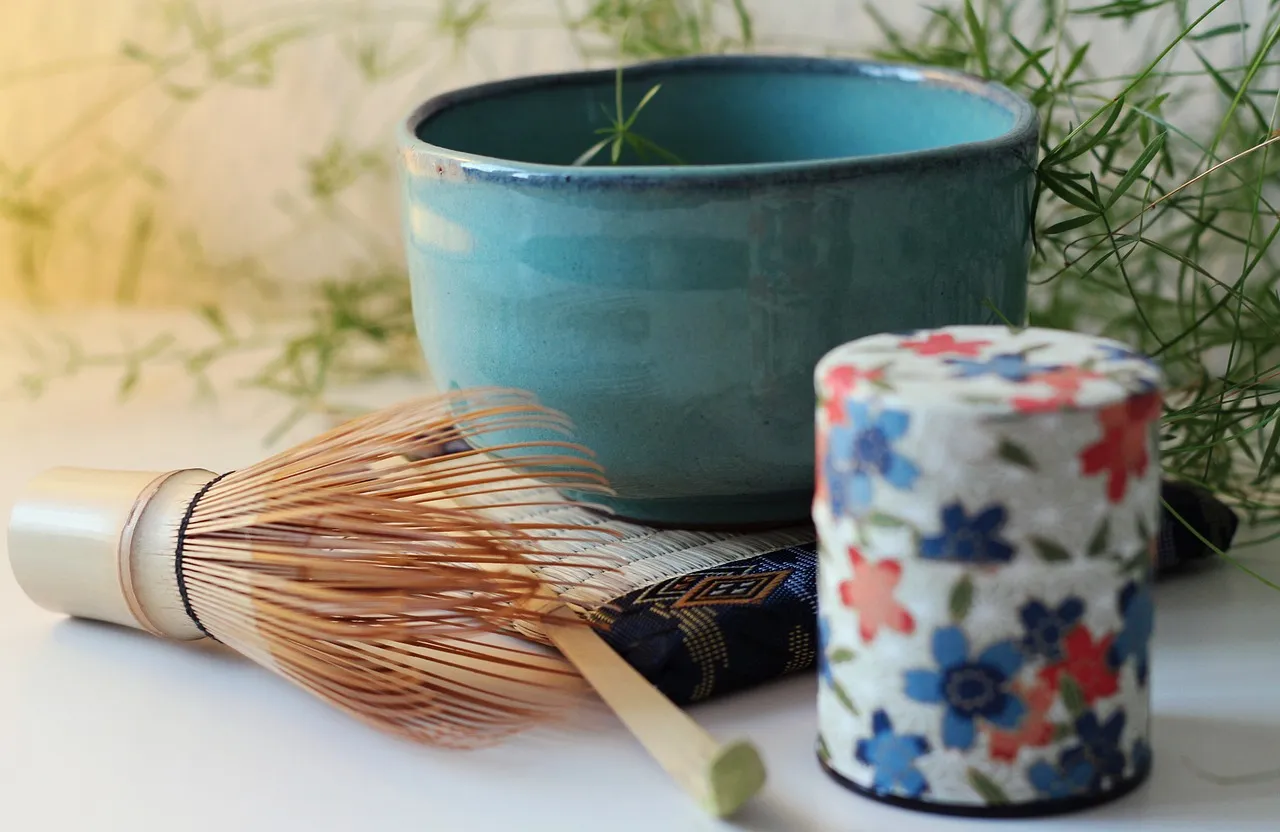
- Sift 1–2 grams (about one heaped bamboo scoop, or half a teaspoon) of matcha into a wide bowl to remove lumps.
- Add a splash of water at around 75–80 °C and mix into a smooth paste.
- Add about 60–70 ml more water.
- Whisk briskly in a zig-zag “M” or “W” motion with a bamboo whisk, from the wrist, until a fine froth forms. This takes 15–20 seconds.
- Drink straight away, before the powder settles.
Milk, sugar, lemon and cold brew
Milk belongs with strong black teas such as Assam, Kenyan and breakfast blends. It softens tannins and brings out malty sweetness. Whether it goes in before or after the tea is a matter of long and good-humoured debate; pouring milk into a finished cup makes it easier to judge the strength. Milk overwhelms most green, white and oolong teas.
Lemon brightens light black teas such as Ceylon and Earl Grey, but curdles milk, so choose one or the other.
Sugar and honey are a matter of taste. Good tea often has natural sweetness, so try it plain first.
Cold brew is the easiest method of all. Put 8–10 grams of tea in a litre of cold water and leave it in the fridge for six to twelve hours. Cold water extracts less bitterness and caffeine, giving a smooth, naturally sweet drink. Green teas, oolongs, white teas and fruity blends are especially good cold brewed.
Storing tea
Tea’s enemies are air, light, moisture, heat and strong smells. Keep it in an airtight, opaque container, in a cool cupboard away from the stove and the spice rack.
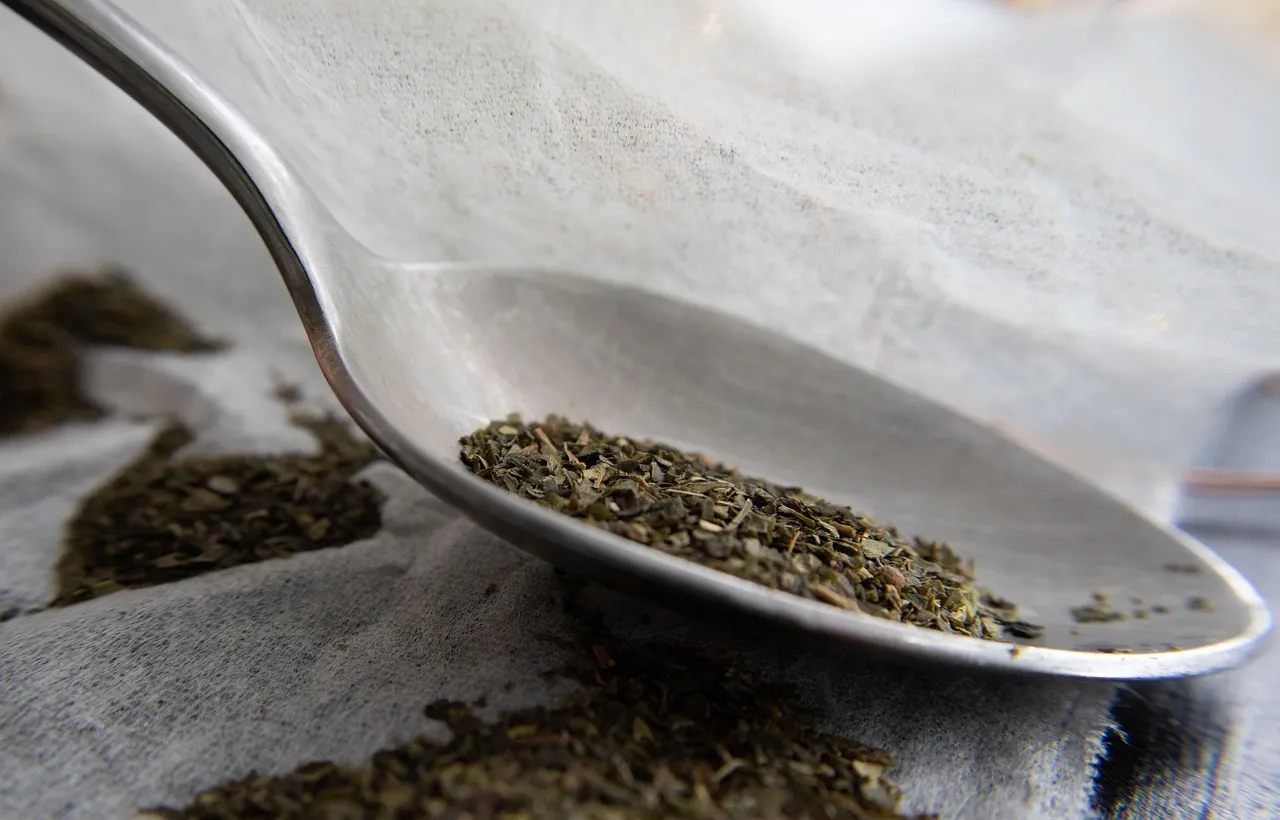
Most green and lightly oxidised oolong teas are best within six months to a year of production. Black teas keep for a year or two. Pu-erh and some white teas can age for many years if stored well. Matcha is the most delicate: once a tin is opened, use it within a month or two and keep it in the fridge.
This is one of the practical arguments for a subscription: smaller amounts of fresh tea arriving regularly, rather than a large bag slowly going stale.
Common questions
What water temperature should I use for green tea?
Around 70–80 °C for most green teas, and as low as 50–60 °C for delicate Japanese teas such as gyokuro. Boiling water makes green tea bitter.
How long should I steep black tea?
Three to five minutes with freshly boiled water at 90–100 °C, using about 2–3 grams of leaf per 200 ml.
How much loose tea should I use per cup?
About 2–3 grams per 200 ml cup, which is roughly a level teaspoon of most teas or a heaped tablespoon of large, fluffy leaves such as white tea.
How do I cold brew tea?
Put 8–10 grams of tea in a litre of cold water and leave it in the fridge for six to twelve hours. Cold brewing gives a smooth, naturally sweet drink with less bitterness.